How To Beat Revco Solutions and Win Your Debt Case
Revco Solutions contacted you, but you have options. Validate the debt first, then negotiate a settlement for 40-60% of the original amount. If they sue you, respond to the lawsuit while continuing settlement negotiations.
Answer Your LawsuitRevco Solutions contacted you about a debt. You have rights and can fight back.
You can validate the debt first. Make them prove they have authorization to collect. Verify the debt is yours and the amount is correct.
Respond to Revco Solutions in Court
Revco Solutions sued you and the deadline is approaching fast. Draft a professional answer to their complaint in 15 minutes and protect yourself from default judgment.
Answer the LawsuitYou can dispute the debt if something looks wrong. You can negotiate a settlement for less than what you owe. You can respond to a lawsuit and still settle.
Ignoring them could mean garnished wages or a frozen bank account. Take action now.
Why Revco Solutions Is Contacting You
Revco Solutions is a third-party debt collector. They collect past-due medical and utility bills.
A hospital, doctor’s office, or utility company hired them. They collect on behalf of the original creditor.
They make money by taking a percentage of what they collect. The sooner they collect, the sooner they get paid.
Do You Have To Pay Revco Solutions
You probably do, but only if they validate the debt. They must confirm the amount and prove it’s yours.
They must show they have authorization to collect it.
Ignoring a valid debt has serious consequences. Revco could sue you for a court order. They could garnish your wages or bank account.
Your credit score will take a hit from unpaid debt.
Here’s the good news: You may not have to pay in full. You can negotiate a settlement for less than the original amount.
Many people settle for 40% to 60% of the original debt.
How To Negotiate a Debt Settlement With Revco Solutions
Negotiation works because debt collectors get paid by commission. They’re motivated to settle even for less than the full amount.
Sometimes they’ll offer to settle in their first letter. You can start the negotiation process yourself.
Follow these three steps to negotiate effectively.
Make Sure the Debt Is Valid
Confirm the debt is valid before negotiating. You have this right under Consumer Financial Protection Bureau rules.
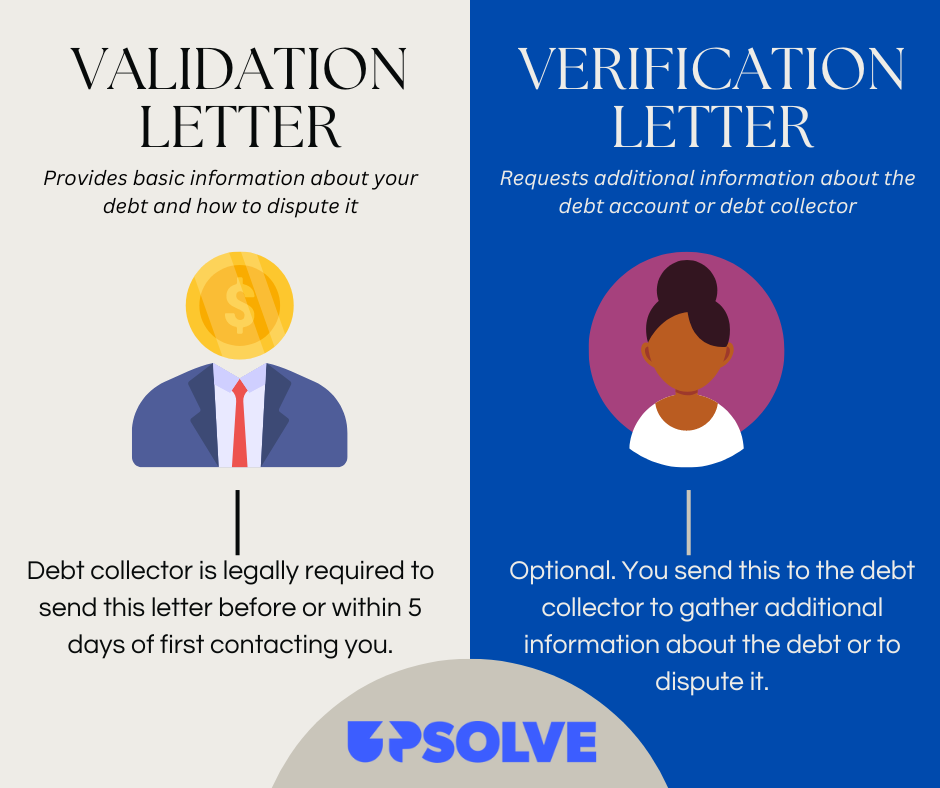
Revco Solutions must send you a validation letter. They must give you 30 days to dispute the debt.
Review their debt validation letter carefully. Confirm all information is correct.
You can send them a debt verification letter if needed. Do this if they never sent validation or if you dispute their information.
Debt collectors sometimes get information wrong. They may try to collect the wrong amount. They may try to collect a debt that isn’t yours.
Ensure Revco Solutions owns the debt or can legally collect it. Move to the next step once you’ve validated the debt.
Figure Out What You Can Pay
Calculate how much money you have left each month. Subtract your bills, taxes, and other expenses from your income.
You can use budget worksheets to help with this calculation. Our partner Cambridge Credit Counseling can help you create a personal budget.
You have two settlement options: lump sum or payment plan.
Debt collectors prefer lump-sum settlements. It’s faster and less time-consuming for them.
Consider using a tax refund or holiday bonus. You might sell personal property to raise the lump sum.
Offer a payment plan if you can’t afford a lump sum. Calculate what monthly payment you can realistically afford.
Automatic bank withdrawals make payment plans more attractive to collectors. They reduce the risk of missed payments.
Make a Settlement Offer to Revco Solutions
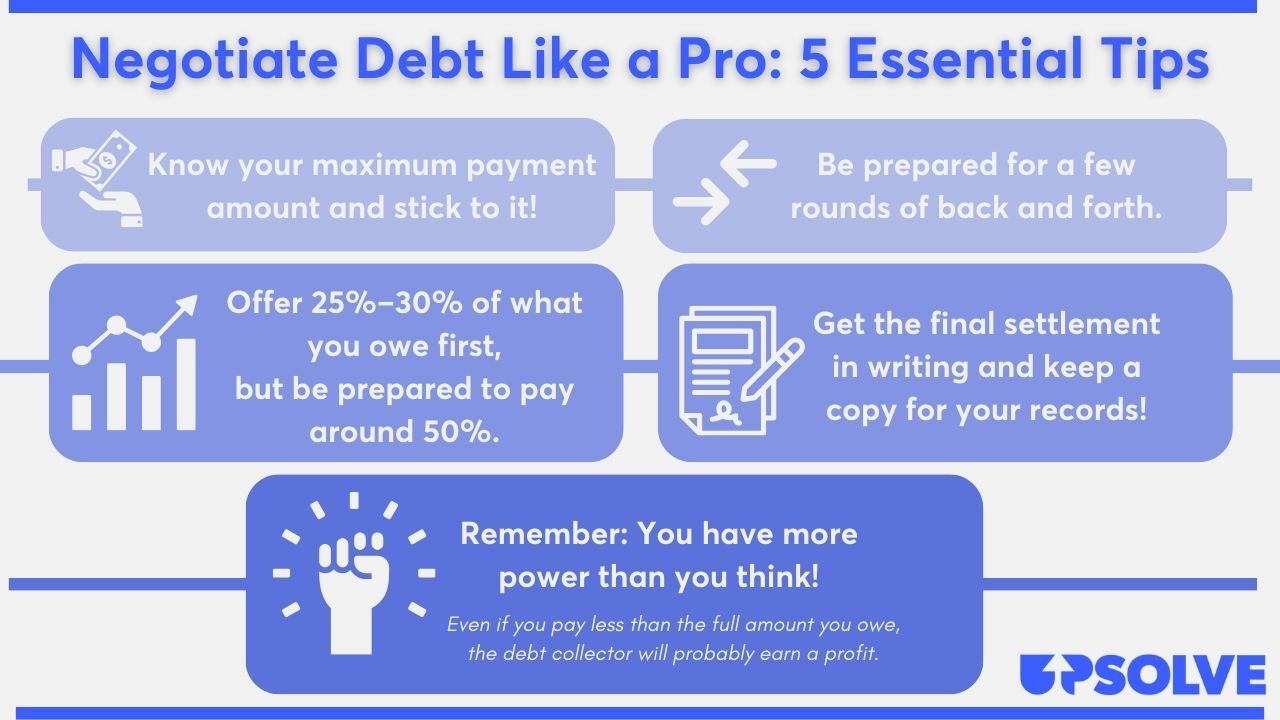
Start with a number lower than what you can afford. You can go as low as 25% of the original debt.
Some back and forth is normal in negotiations. The final number will likely be higher than your initial offer.
You’ll still pay less than the full debt amount.
Get any agreement in writing before paying. Written agreements protect you from future disputes.
Negotiate Everything, Not Just the Amount
The payment amount is important, but negotiate other terms too.
Ask them to report your account as “paid in full.” This is better for your credit score than “settled” or “partial payment.”
Negotiate more time to pay if they won’t accept less. They might give you extra months for a lump sum. They might extend your payment plan timeline.
Every detail matters in your settlement agreement.
Negotiating Settlement During a Debt Lawsuit
You can still negotiate even if Revco sued you. Most debt collection lawsuits settle before trial.
Debt collectors prefer getting paid without spending more time in court.
Continue responding to court notices during negotiations. Appear in court when required.
Keep doing this until the court closes or dismisses the case.
Tips for Successful Debt Settlement
Follow these tips to maximize your negotiation success:
- Document everything in writing
- Stay calm and professional during calls
- Never give access to your bank account
- Get the final agreement in writing before paying
- Keep records of all payments made
- Know your rights under the Fair Debt Collection Practices Act
These strategies work for most debt settlement negotiations.
How To Beat Revco Solutions in Court
Revco Solutions sued you. You must respond to the court documents.
You’ll receive a summons and complaint. They’ll mail these documents or deliver them in person.
Ignoring the complaint means you lose by default. The judge assumes you don’t want to defend yourself.
Revco will win the case automatically. The judge can then order wage garnishment or bank account levies.
You can still negotiate settlement even with a pending lawsuit. Our partner Solo can help you draft an answer for free or a small fee.
Responding to a lawsuit seems intimidating but it’s manageable. Follow these basic steps.
Read the Summons and Complaint Carefully
A summons is a court document notifying you of a lawsuit. It contains basic information about your case.
Most summons include:
- The court name and address
- Plaintiff and defendant names and contact information
- Case or docket number and date issued
- Court signature and seal
- Type or nature of the lawsuit
- Instructions to respond to the lawsuit
- Deadline to respond and consequences for missing it
The complaint explains why you’re being sued. Complaints use numbered paragraphs.
Each paragraph states a specific fact or claim against you.
Fill Out an Answer Form and Other Required Documents
An answer form is your formal response to the complaint. Many courts provide blank answer forms.
Search online for your court’s forms. Enter the court name plus “court forms” or “answer form.”
Answer forms normally include basic instructions. Contact the court clerk if you need clarification.
Court employees can explain where to write information. They cannot give legal advice or tell you what to write.
List your affirmative defenses if the form asks. The court might not hear them later if you don’t.
You may need to complete additional forms. These include certificates of service or verification.
Ask the court clerk or check the website for required forms.
File the Answer Form and Serve the Plaintiff
File your completed forms with the court. Serve copies to the plaintiff.
The filing process depends on your court. You can almost always file in person at the courthouse.
Many courts accept e-filing or filing by mail. Check with the court to confirm accepted methods.
The summons may list this information.
Serving the plaintiff also varies by court. You may be able to hand deliver documents.
Most people serve the plaintiff by mail instead. Some courts require certified mail to confirm receipt.
Get instructions from the court clerk or website. Follow the rules exactly to avoid problems.
What Happens After You Respond
Filing your answer stops a default judgment. Revco Solutions must now prove their case.
The court may schedule a hearing or trial date. You’ll receive notice of any court dates.
Settlement negotiations often continue after you file your answer. Many cases settle before going to trial.
You’ve shown you’ll defend yourself. Revco may be more willing to negotiate now.